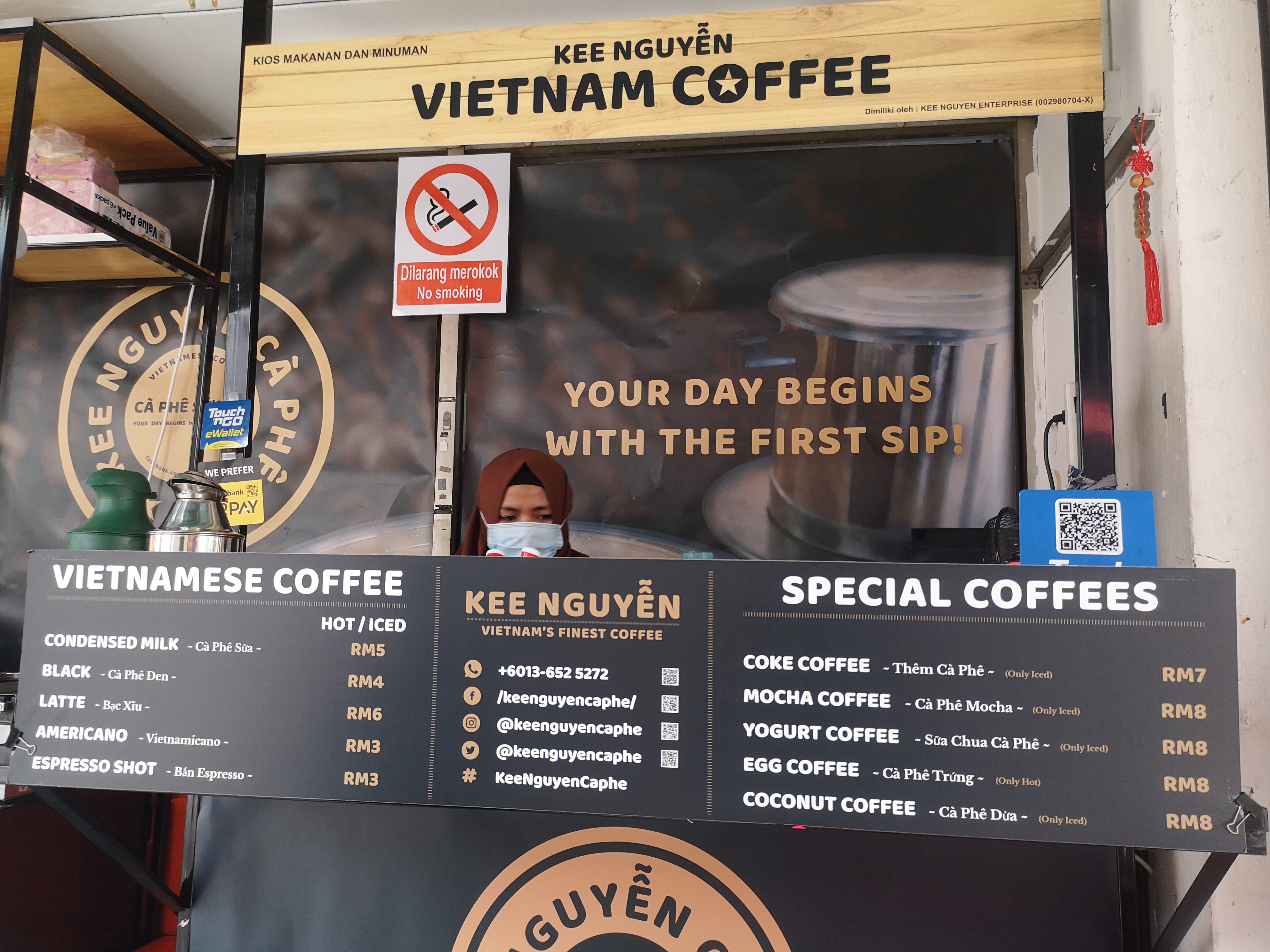
It is no secret that SMEs are the true backbone of Malaysia’s economy. According to an article on the London School of Economics (LSE) blog, SMEs in Malaysia are largely made up of micro-SMEs which are defined, according to the SME corp, as those with financial turnover of less than RM300,000 or have a staff count of less than 5 employees.
It is an understatement to say that small-medium businesses, especially those considered micro-SMEs, have been hit the hardest by the COVID-19 pandemic and the multiple Movement Control Orders (MCO) mandated by the government since last year. In Q2 2020, Malaysia’s GDP contracted as much as 17.1% year-on-year. More recently, Malaysia will be highly likely to revise its GDP growth to 4%, slashed from 6 – 7.5% previously.
Very quickly, SMEs had to pivot digitally to make up for the loss in conventional forms of revenue.
“The situation has taught me to rethink my entire business model, making operations leaner than I ever thought possible. I think this is more than just a means to an end. It is the inevitable progression, sped up drastically by the lockdown. I do believe the way businesses are run now, is the way forward, lockdown or not.”
Madan Theertha Pathy, Founder of Pulse Soundworks
Unfortunately, not all SMEs can afford to do so, or have the resources, be it financial or human capital, to pull off digitisation measures. In fact, according to the SME Association of Malaysia, approximately 100,000 SME companies have ceased operations since the first lockdown last year, and an additional 50,000 may close shop if the lockdowns continue.
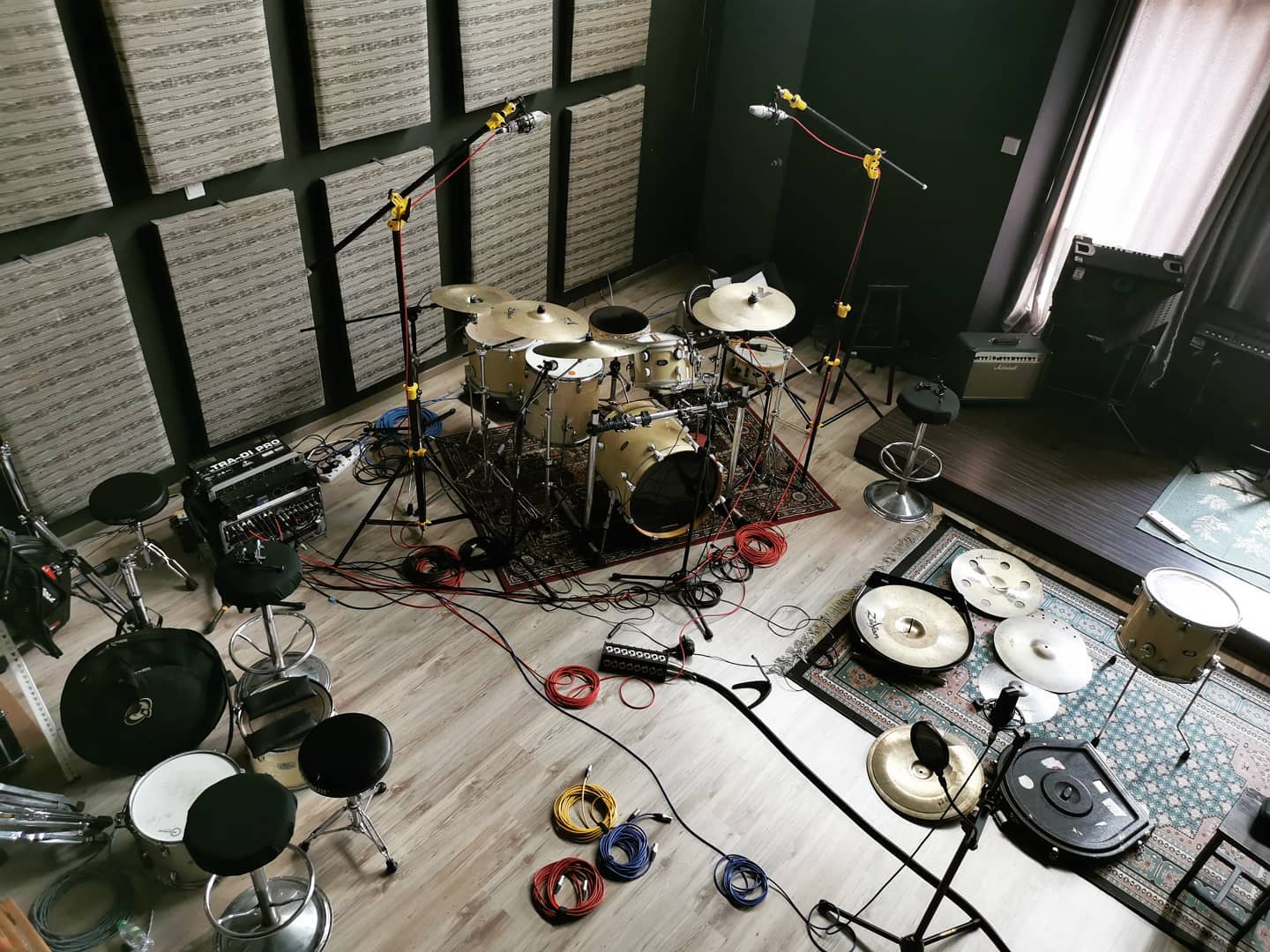
Madan Theertha Pathy, founder and owner of Pulse Soundworks, a recording label, has had to shut his studio doors since last year, during all lockdowns. As a non-essential business, the pandemic has hit his business even harder as he and his team were not allowed to operate during the past three lockdowns. Even though his recording premises were shut to the general public, he was still incurring overhead costs. It did not help matters that each time they reopened, it took awhile to regain momentum, only to face yet another lockdown.
His company did receive some payouts through the Geran Khas Prihatin (GKP) otherwise known as the Prihatin Special Grant. As much as Madan and his team appreciated the assistance, it didn’t really do much to help with the overhead costs. As a recording studio, one can only imagine the expenses incurred on a daily basis.
It’s worth mentioning here that while the government is attempting to provide assistance in the form of financial grants, reliefs as well as offering free upskilling, not many SMEs are made aware of these initiatives and the onus seems to be on the enterprises to stay updated to the various ministries and government channels. For example, according to an article by Penang Institute, a survey conducted by SAMENTA revealed that many SME owners are not aware of the details in the 2021 Budget and how it can help revive their businesses. There needs to be a centralised system where the information on financial aid as well as digitisation support flows to SMEs.
The recurring lockdowns and Madan’s success in pivoting the business online was ultimately what led him to close his studio for now. He and his team completely changed their business model to live streaming and virtual events. Over time, they were able to execute remote recording sessions and remote video shoots with great end results. Because all this was done virtually, Madan was able to work from home, drastically reducing his cost per project and increasing his profit margins.
“The situation has taught me to rethink my entire business model, making operations leaner than I ever thought possible. I think this is more than just a means to an end. It is the inevitable progression, sped up drastically by the lockdown. I do believe the way businesses are run now, is the way forward, lockdown or not,” said Madan.
For Melanie de Souza, a home-based baker, the lockdown was a blessing in some ways. She was previously at a job that wasn’t really paying her well while having to cater to their ceaseless demands, not to mention commuting very far from where she lived. At some point, before Lockdown 3.0 in June this year, she decided to venture into her own home business.
Baking has always been a passion for Melanie; she had previously dabbled in selling her delicious cakes and savoury treats and received very good feedback. The lockdown has actually enabled her home business to grow a lot more than she expected.
“It’s probably due to the fact there are more people at home, hence family members or friends want to show that they care for their loved ones by sending something savoury or sweet that they can enjoy in the comfort of their homes,” she shared.

Since she re-started her business during the lockdown, everything she does is online through social media. She does her own marketing, like most home business owners and has noticed that people tend to respond more to a post on Facebook or Instagram, based on how frequently she posts content. This also leads to more inquiries about her products.
This might seem obvious, but you would be surprised by how many Malaysian SMEs have yet to harness the power of social media by leveraging on the strength of their networks, big or small. It takes consistency and discipline, but when used the right way, social media marketing can produce amazing results. All this without having to spend any money.
Just ask Melanie, who has been practically living in her kitchen since she started her business!
In some way, her digital content also facilitates ‘digital word of mouth’, because when customers see their friends buying her products, some of them tend to place an order to try it for themselves. All in all, Melanie has managed to widen her customer base purely through organic content and growth on social media.
It goes to show that in a crisis lies plenty of opportunity, especially if SMEs embrace digitisation and make the effort to put in resources in that area. Of course, policymakers need to recognise the hurdles that SMEs face with digitisation, and put into motion plans and policies that can help speed up the process.
Resources
If you own a business and haven’t applied to receive the Prihatin Special Grant yet, you can do so here.
Curious about Pulse Soundworks? They are a recording studio and record label that provides audio recording and production services as well as label services for independent musicians including iTunes & Spotify submission and music publishing. Besides these services, Pulse Soundworks also offer VO production and virtual events recording. Check out their website here, or head over to their Facebook and Instagram pages for more information.
I’m sure you’re salivating from that cake picture (don’t worry, you’re not the only one). I can tell you that it tastes even better than it looks (and it looks mind-blowing doesn’t it?). Head over to Mel Amber Bakes to place your order now. Besides delicious sweet treats which include cookies, brownies and cupcakes, Melanie does freshly-made chicken curry puffs which I hear are amazing too.

